Showing posts with label bridges fall river ma. Show all posts

Thursday, August 13, 2020

How braces help both children and adults

 Crowded or crooked teeth known as malocclusion not only spoil your smile, they also increase your risk of dental health problems.

Corrective procedures and appliances such as braces straighten teeth and correct jaw alignment.
Malocclusions are often noticed around ages 6 12, when the adult teeth begin to erupt.
The process of straightening out teeth, known as orthodontic treatment, often begins between ages 8 and 14. The best results are obtained when a child begins treatment while they are still growing.
This means its a good idea for a child to have an orthodontic evaluation by age 7. At this stage, they have a mix of baby teeth and adult teeth.
Its possible for braces to work later and even in adults but there are many advantages in starting as soon as possible.
Your dentist will be able to spot problems with emerging teeth and jaw growth early on, while the primary teeth are present.
That's why regular dental examinations are important.
For adults, its not too late to correct problems such as crooked or crowded teeth, overbites, underbites, incorrect jaw position or jaw-joint disorders. The biological process involved in moving teeth is the same at any age.
The difference is that adult treatment takes a little longer than a child’s treatment. As an adult’s facial bones are no longer growing, certain corrections may not be accomplished with braces alone.
But, whatever your age, it’s never too late to improve your dental health and improve your smile.


Thursday, August 6, 2020

Making the most of your smile

 Your smile is a major factor in the impression people get when they meet you.

And the good news is that you now don’t have to settle for a smile spoiled by stained, chipped, or misshapen teeth.
Advances in dental treatment mean there is a wide range of choices to help you get the smile that you want. Here are some of the options:
– Tooth whitening (bleaching) can help brighten teeth that have become discolored or stained. It can be done in the dental office or with a system the dentist can give you to use at home
– Bonding improves the appearance of teeth that have become chipped, broken, cracked or stained. This is done by bonding tooth-colored materials to the tooth surface
– Enamel shaping involves modifying teeth to improve their appearance by removing or contouring enamel
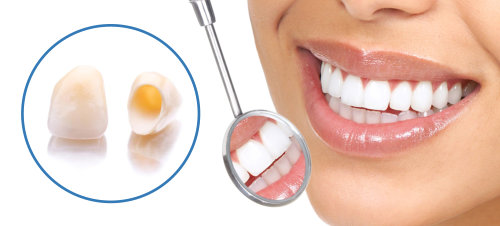
– Veneers are thin custom-made shells of tooth-colored materials designed to cover the front side of teeth. They are used to treat spaces between teeth and teeth that are chipped, stained or poorly shaped.
– Braces may be needed if teeth are crooked, crowded or do not meet properly – and not just for kids
Even small changes can have a big impact on your smile and so make a huge difference to how you look and how you feel about yourself.
If you’d like an even better smile, your dentist will be able to give you information about the options available.

Friday, June 12, 2020

What Causes Sensitive Teeth?

If you sometimes find the taste of something hot or cold painful on your teeth, you may suffer from sensitive teeth.
Sensitive teeth is a common problem which may be caused by cavities and fractured teeth.
But it can also be caused by worn tooth enamel, a cracked tooth or an exposed tooth root.
Tooth enamel is the strongest substance in the body and it protects the crowns of healthy teeth. A layer called cementum protects the tooth root under the gum line.
The part underneath the enamel and the cementum is called dentin, which is less dense than enamel or cementum.
The dentin contains small hollow tubes or canals called tubules. When the dentin loses its protective covering, the tubules allow hot, cold, acidic or sticky foods to reach the nerves and cells inside the tooth.
This causes hypersensitivity and occasional discomfort but fortunately, the irritation does not cause permanent damage.
Following proper oral hygiene helps prevent the gums from receding and causing the pain of sensitive teeth.
Brushing your teeth incorrectly or even brushing too much can cause gum problems.
Your dentist will advise you on the best daily routine to maximize your oral hygiene.

Friday, May 15, 2020

Dental plaque – what it is and how to avoid it


You’ve probably heard people talking about plaque and maybe you’ve some idea of what it is.
But its useful to know a bit more about it so that you can do whats necessary to minimize the risks.
Plaque is a sticky film of bacteria that forms on teeth and gums.
When you’ve eaten a meal or snack, the bacteria in plaque release acids that attack tooth enamel. When this happens regularly, the enamel can weaken. This eventually leads to tooth decay.
The food we eat often causes plaque bacteria to produce acids. So, if you eat a lot of snacks, your teeth may be suffering acid attacks all day.
If you don’t remove the plaque through effective daily brushing and cleaning between the teeth, it can eventually harden into calculus or tartar.
Another effect of plaque is that it also produces substances that irritate the gums, making them red and tender or causing them to bleed easily.
If you want to prevent tooth decay and gum disease, make sure you have a balanced diet and avoid having too many snacks between meals.
When you feel like a snack, go for foods such as raw vegetables, plain yogurt, cheese or a piece of fruit.

Sunday, May 3, 2020

How older adults can handle dry mouth and taste problems

Reduced saliva flow that results in a dry mouth is a common problem among older adults.
It is caused by certain medical disorders and is often a side effect of medications such as antihistamines, decongestants, pain killers and diuretics.
Some of the common problems associated with dry mouth include:
– Constant sore throat
– Burning sensation
– Problems speaking
– Difficulty swallowing
– Hoarseness or dry nasal passages
Left untreated, dry mouth can damage your teeth. Without adequate saliva to lubricate your mouth, wash away food, and neutralize the acids produced by plaque, extensive cavities can form.
Your dentist can recommend various methods to restore moisture. For example, sugar-free candy or gum stimulates saliva flow, and moisture can be replaced by using artificial saliva and oral rinses.
Another issue that can affect older adults is a loss of appetite due to a change in your sense of taste. Besides an age-related decrease in the sense of taste and smell, certain diseases, medications and dentures can contribute to a decrease in your sense of taste.
Whether you are suffering from dry mouth or problems with your sense of taste, your dentist will be able to make suggestions to help.

Thursday, February 20, 2020

How mouth protectors can save your teeth

If you take part in sports that carry a significant risk of injury, you should wear a mouth protector.
Accidents can happen during any physical activity and, if you participate in sports such as football, hockey, basketball, baseball, gymnastics and volleyball, you might be grateful for the extra protection one day.
Something as simple as a misdirected elbow in a game, or a spill off a bicycle, can leave you with chipped or broken teeth, nerve damage to a tooth or even tooth loss.
Mouth protectors usually cover the upper teeth and they can cushion the effect of a blow to the face, reducing the risk of broken teeth and injuries to the soft tissues of the mouth.
In addition, if you wear dental appliances such as braces on your lower jaw, your dentist may suggest a mouth protector for these teeth as well.
A properly fitted mouth protector will stay in place while you are wearing it, making it easy for you to talk and breathe. The three main types of mouth protectors are:
Stock: These are inexpensive and come ready to wear. But they often dont fit very well and they can be bulky making breathing and talking difficult.
Boil and bite: These can also be bought at many sport stores and may fit better than stock mouth protectors. You first soften them in water, then insert them and allow them to adapt to the shape of your mouth.
Custom-fitted: Protectors that are specially made for you by your dentist are more expensive but are likely to fit better than one you buy off the shelf.
Choosing to wear the right mouth protector can help you avoid serious long-term damage to your teeth and mouth.

Friday, February 14, 2020

How cancer treatment can affect your oral health

More than 1 million Americans are diagnosed with cancer each year and many of them will develop problems with their oral health as a result of their cancer treatment.
While its natural that they'll be focused on their cancer treatment, its important not to overlook the importance of a dental examination as part of the process of maintaining overall health.
For example, radiation therapy of the head and neck area may lead to certain complications such as dry mouth, sensitive lesions in the oral cavity, hypersensitive teeth, rapid tooth decay and difficulty swallowing.
Chemotherapy and other medication can also have significant effects in the mouth.
To help prevent, minimize and manage such problems, the dentist and oncologist can work together before and during cancer treatment.
Many medications lead to dry mouth, which can lead to a higher risk of gum disease and other problems. The dentist may therefore recommend a saliva replacement, an artificial saliva that is available over-the-counter at pharmacies.
Frequent fluoride applications may also be recommended.
If you are receiving treatment, schedule regular screenings with your dentist and contact your dentist or physician immediately on any sign of mouth infection. This may have serious implications for your overall health.
Your dentist and physician both want your treatment to be as safe and effective as possible.

Thursday, January 30, 2020

What is plaque and how does it affect your teeth?

Plaque is a sticky film of bacteria that covers our teeth and, when we eat something, these bacteria release acids that attack the tooth enamel.
When these attacks are repeated over time, the enamel will break down and this will eventually lead to cavities.
When plaque is not removed through daily brushing and cleaning it hardens into calculus or tartar. When tartar collects above the gum line, brushing and cleaning between the teeth becomes more difficult.
The gum tissue can become swollen or may bleed. This is called gingivitis and it is the early stage of periodontal (gum) disease.
There are several steps you can take to protect yourself against this happening:
– Brush your teeth twice a day with fluoride toothpaste
– Clean between teeth daily with floss or an interdental cleaner
– Eat a balanced diet and limit the number of snacks between meals
– Visit your dentist regularly for professional cleanings and oral exams
– Ask your dentist about sealants these are protective coatings that can be applied to the back teeth where decay often starts.
If you take steps to remove the plaque each day, you have a greater chance of avoiding tooth and gum problems.

Thursday, August 22, 2019

How medication and anesthesia can help make your visit to the dentist easier

Your dentist will do everything possible to make your visit as relaxed and comfortable as possible.
Depending on the treatment you are receiving, there are several medications available to help.
Some drugs control pain, some help you relax and others put you into a deep sleep during dental treatment.
The best approach will depend on the type of procedure being undertaken, your overall health – including any history of allergies – and the degree of anxiety you feel.
Some of the options your dentist might discuss include:
Analgesics: These are the most commonly used drugs for relief of toothache or pain following dental treatment. They includes aspirin, acetaminophen and anti-inflammatory drugs such as Ibuprofen. There is a separate category of narcotic analgesics – such as those containing codeine – which are used for more severe pain.
Local anesthesia: Topical anesthetics are applied to mouth tissues with a swab to prevent pain on the surface level. They may also be used to soothe mouth sores. Injectable local anesthetics prevent pain in a specific area of your mouth during treatment by blocking the nerves that sense or transmit pain and numbing mouth tissues.
In other cases, your dentist many recommend sedation or general anesthesia.
Your dentist will discuss the best approach to suit your needs.

Thursday, September 22, 2016

Offers Root Canal (Endodontics)

1


Endodontics is the dental specialty that deals with the nerves of the teeth. Root canals are probably the most notorious procedure in dentistry and the most common procedure relating to endodontics. When a tooth becomes infected it is usually related to the nerves in the root of the tooth. The infected nerves need to be removed. If left untreated an infection can turn into an abscess, which is a much more serious problem that includes bone loss in the jaw.

The area around the tooth is numbed with a local anesthetic to start the procedure. The Dentist will then drill down into the tooth to create an opening into the canal. They will then be able to remove infected tissue and clean the canal. After the infection has been removed, the space if filled with a sealant called gutta percha. It is highly recommended that a tooth that has undergone a root canal is fitted with a crown. This will improve the appearance of the tooth, and will also make it much more likely that the root canal is successful.

Root canal” has become a scary term for dental patients to hear, but the benefits of the procedure and advances in dental technology have made it much less “scary”. Local anesthetics and proper pain medication allow the procedure to be performed with little to no pain in most cases. There may be some soreness following the procedure, but that is normal for most dental procedures. Over the counter painkillers are usually enough to relieve any pain afterwards, but your dentist may prescribe medication. The procedure will also relieve you from pain caused by the infection allowing you to enjoy all the foods you love without any pain from heat, cold, or biting too hard. If you are experiencing pain consult your dentist today.

Wednesday, September 14, 2016

Offers Crown Lengthening

1


When decay occurs below the gumline, it may be necessary to remove a small amount of bone and gum tissue. Your Dentist may ask for this procedure before he or she makes a new crown for your tooth.

Crown Lengthening procedures are done for both Restorative Dentistry and/or to improve the esthetics of your gum line. General practitioners often refer for crown lengthening procedures prior to restoration of broken or severely decayed teeth. This procedure adjusts the gum and bone level to expose more of the tooth so it can be restored.

Sometimes crown lengthening is done to improve a “gummy” smile because the teeth appear short. The teeth may actually be the proper length but excess gum tissue may be covering these teeth. During this procedure, excess gum and bone tissue is reshaped to expose more of the natural tooth.

Monday, August 29, 2016

Offers Inlays/Onlays

1


Inlays and Onlays are often referred to as partial crowns. They use the existing tooth as a base and fit the inlay or onlay onto the tooth. This is done to strengthen the tooth, restore its shape, and prevent further damage. An inlay is done when there is no damage to the cusps of the tooth and the inlay can be placed right on the tooth. An inlay is used when the damage is a little more extensive.

The decayed area of the tooth is first removed during the procedure. A mold of the tooth is then taken and sent to a dental lab. They create a restoration made from porcelain, gold, or a composite resin. The restoration takes about 2-3 weeks to make, so a temporary inlay or onlay will be placed on the tooth for that time. During your next visit the inlay or onlay will be placed into your mouth and set with cement. Your tooth will look natural and you or anyone else won’t be able to tell the difference.

Thursday, August 18, 2016

Offers Veneers

1


Veneers are an excellent way to redesign and reshape your entire mouth. Veneers are a very thin ceramic shell that covers your existing tooth structure. In placing these new veneers on your teeth, you are able to fix the look of issues such as staining, cracked teeth, spaces, misaligned teeth, chipped teeth and many other issues.

In terms of the process to place veneers, it is a process that takes approximately two to three visits. In the first visit, we will discuss the new shape and look of what we are going to accomplish by placing the veneers. Once we have put a plan in place, we will carefully prepare the teeth for the placement of the new veneers. As we complete this piece of the process, the next step is to take an impression of the newly prepared teeth. This impression will be sent to our laboratory for the final product to be fabricated. We only utilize the highest standard laboratory for fabrication of all of our work. This process at the laboratory takes between 10-14 days. While the new veneers are being fabricated at the lab, we will provide you with a beautiful temporary solution to wear for this time.

As the veneers are finalized, we will make every effort to make sure that your new veneers will feel just like your natural teeth. We will bond them into place ensuring that you can enjoy your new smile for a very long time!

Wednesday, August 10, 2016

Offers Dental Implants

2


Dental Implants are a permanent and appealing solution to replace missing or extracted teeth. They are better than other alternatives like bridges because no additional teeth need to be altered to place the new tooth.

The entire implant process is performed over the course of a few months. The first part of the process is to install the implant itself, where a screw is placed into the jaw bone. An incision is made in the gum so that the implant can be inserted. Multiple implants can be placed at once if necessary. After the implants are placed the gums are sutured.

The implant must be allowed about 3-6 months to heal, and during this time the jaw bone will form around the implant in a process called osseointegration. During this healing time you can have temporary crowns installed so that you can eat and speak normally and maintain a proper aesthetic appearance for your smile.

After the implant has healed it is time to place an abutment on the implant. The abutment serves as the base for your new tooth. One this is placed an impression of the abutment is taken and is used to create your permanent restoration. Some offices have an onsite lab to create the crown, but others will have to send it to an outside lab. Once the restoration is completed you can return to the office to attach the restoration permanently. Your smile will look just like it used to, and after a short period of getting used to the implant it will feel just like one of your own teeth.

Sunday, July 24, 2016

Offers Crowns

1


Over time our teeth begin to weaken and become more susceptible to problems such as decay, cracks, discoloration and others. If you feel your smile isn’t what it once was, crowns can help you recover your smile. If your Dentist notices that a tooth is decayed or seems weakened/cracked a crown may be necessary to make sure that there are no additional problems with the tooth. In cases like this a filling or bonding will not be sufficient.

Crowns can be made from porcelain, porcelain fused to metal, or a full gold crown. To maintain a natural look and feel a porcelain finished crown is best, as it can be matched to the shade of your other teeth. This will allow it to blend in and appear just like one of your natural teeth.

The process of installing a crown takes 2-3 visits to the dentist. On the first visit the tooth will be reshaped by filing down the enamel so that the crown can be placed over it. You will be given a local anesthetic before this part of the procedure so that you do not experience any discomfort. Once the tooth has been reshaped, a mold will be taken of that tooth and the surrounding teeth. This mold will be sent to a Dental Lab so that your new crown can be made so that it fits in the spot created for it and looks the same relative to the surrounding teeth. Before leaving, your dentist will fit you with a temporary crown until your permanent crown is ready.

The crown takes about 2-3 weeks to be returned to your Dentist. At this time you will have another appointment to place and fit the permanent crown. You will again have a local anesthetic to numb the area and the tooth will be placed using a cement to ensure the tooth sets in place. When you look in the mirror, you will see your old smile back. Crowns are durable and will usually last about 10-15 years. You should care for it as you would any of your other teeth with regular brushing and flossing. Call us today if you would like to learn more about how crowns can help restore your smile.

Friday, July 15, 2016

Root Planing

1


Often there is plaque and tartar that accumulates below the gum line. In this scenario, we will clean and smooth this area with special instruments to ensure that the area is completely spotless. If this area is not kept clean the entire area can become irritated with the bacteria that resides in the tartar and plaque. It’s very important to have your dentist check this area if you have bleeding during brushing.

Thursday, June 23, 2016

Oral Cancer Screenings

1


Oral cancer screenings are a very important part of the dental visit for the patient. With the advances in modern technology, we are now able to pinpoint the start of a potential problem much earlier in its evolution. The ability to do so is extremely important in being able to treat any issues prior to them becoming a major irreversible problem.

The oral cancer screening is often completed with an ultraviolet light or similar device that allows us to view issues that can’t always be detected by the human eye under normal conditions.

Certain lifestyle choices can have a great impact on the health of tissues and your overall health in the mouth. If you are a smoker or heavy drinker, make sure to get regular screenings when you visit the dentist.

Friday, June 17, 2016

Dental Crowns

1


Over time our teeth begin to weaken and become more susceptible to problems such as decay, cracks, discoloration and others. If you feel your smile isn’t what it once was, crowns can help you recover your smile. If your Dentist notices that a tooth is decayed or seems weakened/cracked a crown may be necessary to make sure that there are no additional problems with the tooth. In cases like this a filling or bonding will not be sufficient.

Crowns can be made from porcelain, porcelain fused to metal, or a full gold crown. To maintain a natural look and feel a porcelain finished crown is best, as it can be matched to the shade of your other teeth. This will allow it to blend in and appear just like one of your natural teeth.

The process of installing a crown takes 2-3 visits to the dentist. On the first visit the tooth will be reshaped by filing down the enamel so that the crown can be placed over it. You will be given a local anesthetic before this part of the procedure so that you do not experience any discomfort. Once the tooth has been reshaped, a mold will be taken of that tooth and the surrounding teeth. This mold will be sent to a Dental Lab so that your new crown can be made so that it fits in the spot created for it and looks the same relative to the surrounding teeth. Before leaving, your dentist will fit you with a temporary crown until your permanent crown is ready.

The crown takes about 2-3 weeks to be returned to your Dentist. At this time you will have another appointment to place and fit the permanent crown. You will again have a local anesthetic to numb the area and the tooth will be placed using a cement to ensure the tooth sets in place. When you look in the mirror, you will see your old smile back. Crowns are durable and will usually last about 10-15 years. You should care for it as you would any of your other teeth with regular brushing and flossing. Call us today if you would like to learn more about how crowns can help restore your smile.

Thursday, May 26, 2016

What is Endodontics?

2


Endodontics, more commonly known as root canal, is a procedure where the roots or nerves of the tooth are removed. This is often due to the fact that they are infected and the tooth is causing pain.

Rotary Endodontics is a way of performing the root canal utilizing a specific electrical hand piece. This tool often makes the process faster and allows the Dentist to perform the process with greater ease.

Wednesday, April 6, 2016

Teeth Whitening

1


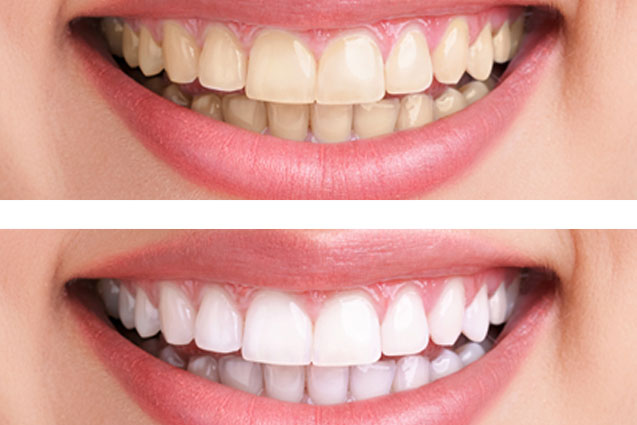
Keeping our teeth their whitest is a lot harder than it sounds. With all the coffee, wine, smoking and other foods that have the ability to stain our teeth on a daily basis, even proper maintenance sometimes leaves them a little lackluster. Teeth whitening is an excellent way to restore the natural color of your teeth or even make them whiter than your natural color if you would like.

To accomplish the whitening of your teeth, we utilize a tray whitening system. This tray whitening system is completed in 2 steps. The first step is to make an impression of your teeth. With this impression, we’ll craft you custom whitening trays that you can use over and over. Finally, you will take the whitening gel and put it in the gel for a short period of time over a period of a few days. This often results in a whiter smile of 4 – 8 shades!

Please contact us today to see if you are a candidate for this type of whitening.